
BIODIESEL
Biodiesel is an eco-friendly, alternative diesel fuel manufactured from renewable resources i.e. wide range of new and used vegetable oils and animal fats. Biodiesel’s physical properties are similar to those of petroleum diesel, but the fuel significantly reduces greenhouse gas emissions and toxic air pollutants. It is a biodegradable and cleaner-burning alternative to petroleum diesel. Pure biodiesel or biodiesel blended with petroleum diesel can be used to fuel diesel vehicles, providing energy security and emissions and safety benefits.

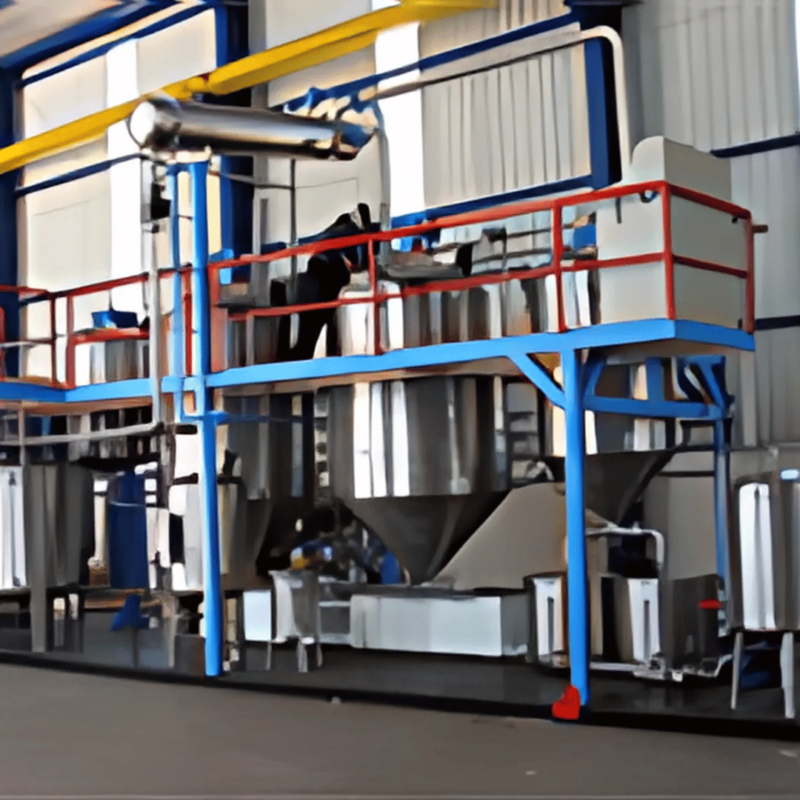

Biodiesel's Physical Characteristics
| Specific gravity | 0.87 to 0.89 |
| Kinematic viscosity @ 40°C | 3.7 to 5.8 |
| Cetane number | 46 to 70 |
| Higher heating value (btu/lb) | 16,928 to 17,996 |
| Sulfur, wt% | 0.0 to 0.0024 |
| Cloud point °C | 11 to 16 |
| Pour point °C | -15 to 13 |
| Iodine number | 60 to 135 |
| Lower heating value (btu/lb) | 15,700 to 16,735 |
Biodiesel Blends
Biodiesel can be blended and used in many different concentrations. They include..
| B100 | 100% Pure Biodiesel |
| B20 | 20% biodiesel & 80% petroleum diesel (Most common) |
| B5 | 5% biodiesel & 95% petroleum diesel |
| B2 | 2% biodiesel & 98% petroleum diesel |
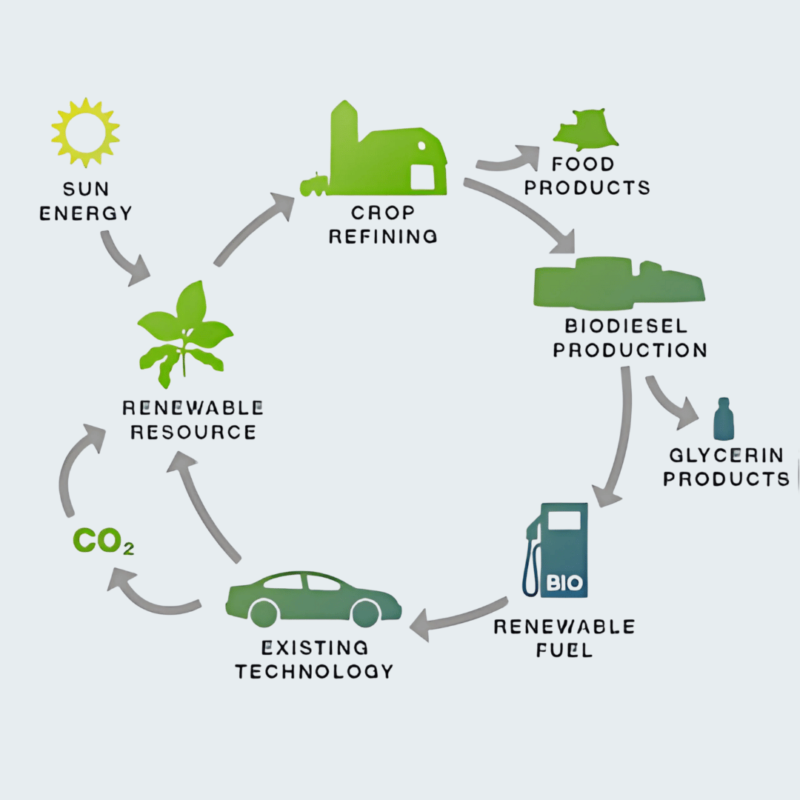
What is Biodiesel ?
Biodiesel is a liquid fuel made up of fatty acid alkyl esters, fatty acid methyl esters (FAME), or long-chain mono alkyl esters. It is produced from renewable sources such as new and used vegetable oils and animal fats and is a cleaner-burning replacement for petroleum-based diesel fuel. It is nontoxic and biodegradable. Biodiesel has physical properties similar to those of petroleum diesel.
Biodiesel Production
These natural oils and fats are made up mainly of triglycerides. These triglycerides when reacted chemically
with lower alcohols (usually methanol) in presence of a catalyst (usually sodium hydroxide) result in fatty acid
esters. These esters show striking similarity to petroleum derived diesel and are called Bio-diesel.
The process of converting the oil to Bio Diesel is called as Transesterification. It is the process of reaction
a triglyceride molecule with an excess of alcohol (usually methanol) in the strong base catalyst such as
KOH, NaOH, NaOCH3 etc., to produce fatty esters and glycerol.
Advantages
| Easy to use | Biodiesel is the only alternative fuel that runs in any conventional, unmodified diesel engine. It can be stored exactly like petroleum diesel |
| Power, Performance and Economy | Proven performance and economy make biodiesel a renewable winner |
| Emissions & Greenhouse Gas Reduction | With lower exhaust emissions biodiesel is helping to reduce pollution and improve health. Lower CO2 emissions help reduce the impacts of global warming |
| Energy Balance & Security | Biodiesel production and use at home, biodiesel helps reduce the need for foreign oil |
| Toxicity, Biodegradability, Safety & Recycling | Less toxic than table salt, biodiesel has minimal environmental impact. With a high flash point, biodiesel is safer to handle and store than petroleum diesel. When made from used oils and fats, biodiesel helps ensure proper recycling of former waste products |
| Economic Development | Biodiesel helps communities by keeping energy at home |